Dog Jumping Barriers Training Embroidery Design
A First Look at the Visual Language
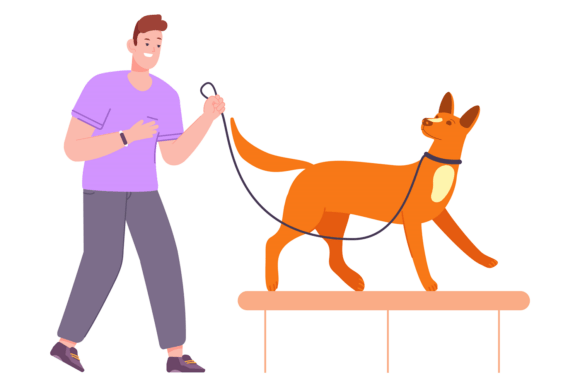
At first glance, Dog Jumping Barriers Training feels like a dynamic illustration with a clear focus on motion and preparation. The subject is an animal in mid-action, poised for a race or training session. This gives it a sense of energy that's perfect for projects that want to convey movement or excitement. The clean white background and isolation make it feel modern and adaptable, which is great for embroidery designers who need flexibility in placement.
The design’s layout is simple yet effective. It doesn’t have too many details that could complicate stitching, but there are enough elements to give it character. I can see this working well as a custom apparel design—especially on sweatshirts or tote bags where the space allows the image to breathe. The shape is compact, so it won’t overwhelm smaller items either.
Real-World Application: A Custom Tote Bag Scenario
Let’s imagine using this design on a custom embroidered tote bag. As someone who often works with handmade products, I’d consider how the dog’s posture and the barriers would translate into stitch form. Would the lines be crisp? Would the curves hold up under tension?
I think the satin stitch areas around the dog’s body and the barriers would look sharp. The fill stitch might work well for the barriers themselves, adding texture without making the design too dense. However, if I were to use this on a thin fabric or something stretchy like a canvas tote, I’d definitely recommend using a stabilizer to keep everything in place.
For a personalized gift or small shop product, this design has a nice balance between playful and professional. It wouldn’t feel out of place on a baby item either, as long as the color palette is adjusted to fit the theme.
Where This Design Shines Best
Dog Jumping Barriers Training seems best suited for custom apparel, embroidered patches, and holiday gifts. Its isolated nature makes it easy to integrate into a variety of backgrounds, from dark denim jackets to light-colored aprons. It also looks strong in printable mockups for Etsy sellers or craft business listings, giving potential buyers a clear idea of what the finished product will look like.
For commercial embroidery projects, the design’s simplicity helps maintain clarity even when scaled down. That said, I’d avoid using it on curved surfaces like caps unless it’s resized carefully. Tiny lettering or detailed corners might not render as cleanly, so testing on scrap fabric is always a good idea.
Design Notes for Embroidery Professionals
If you’re planning to use Dog Jumping Barriers Training in a real project, here are some practical tips:
- Test on Scrap Fabric: Always check how the design looks before committing to a final product. See how the thread colors interact with your fabric choice.
- Check Stitch Density: High-density areas may require more thread or a different stabilizer to prevent puckering.
- Confirm Hoop Size: Make sure your hoop can accommodate the full design without stretching or distorting it.
- Review Light and Dark Fabrics: Some embroidery files look better on certain fabrics than others. Test both options if possible.
- Use Proper Stabilizer: Especially important for textured fabrics or layered garments.
Also, if you plan to sell this as a digital embroidery file or include it in a design assets package, confirm the licensing terms. Not all illustrations are free to resell, and knowing your rights is crucial for craft business owners and small shop product creators.
Final Thoughts on Value and Use Cases
Dog Jumping Barriers Training brings a unique visual story that can elevate a wide range of embroidery projects. Whether it’s a handmade product, a personalized gift, or a small shop product, it adds a touch of motion and purpose to any item it’s placed on.
It’s a versatile machine embroidery design that balances detail with clarity. For Etsy sellers or anyone looking to add a bit of fun and function to their custom apparel, this design is worth considering. Just remember to test it thoroughly and adjust based on the fabric and application method.